All Categories
Featured
Table of Contents
If you're broadening globally across lots of marketplaces: CedCommerce uses the infrastructure. If you're a resale-focused seller: Vendoo, Crosslist, or List Completely may fit better. A better method is to match the tool to your functional intricacy. How many SKUs do you handle? The number of marketplaces? How much automation do you require? Just how much danger can you tolerate with syncing errors? Answer those honestly, and the right tool ends up being clearer.
Scaling Multi-Channel Distribution Network Using Integrated Systems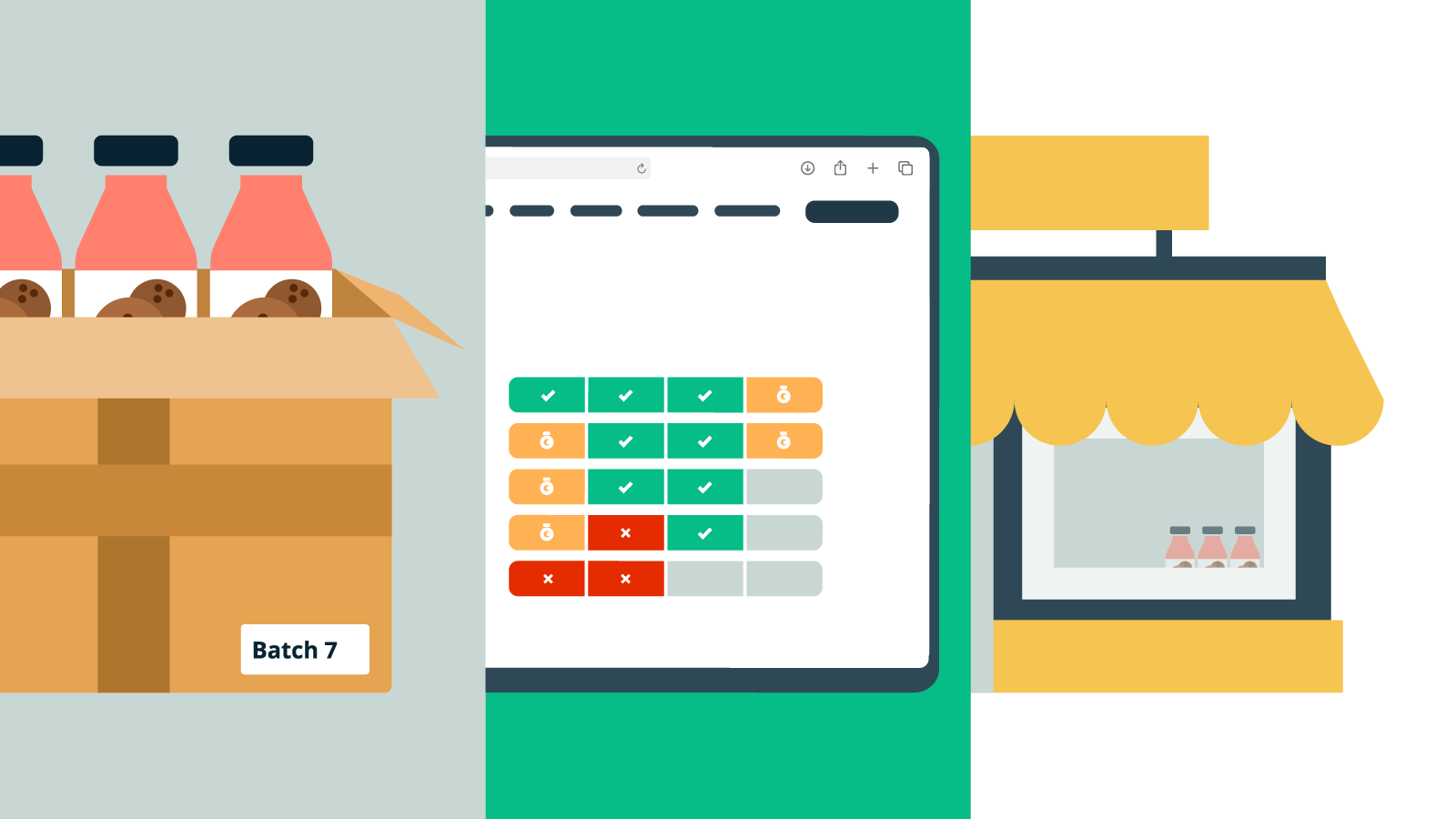
AI optimization, real-time inventory sync, and advanced automation are quickly ending up being requirement. Functions alone don't make something the finest app for cross listing. Dependability, scalability, and workflow simpleness matter more. Pick the tool that reduces manual labor, safeguards your stock accuracy, and supports the method you in fact run your business.
Every company has a various course to success. While many e-commerce business concentrate on offering straight to consumers from their website, other business utilize drop-shipping, rely on wholesale, or solely offer on specific markets. While every business needs to discover what works for them, we will explain how and why offering on multiple marketplaces has its benefits.
E-commerce marketplaces are more similar to in-person marketplaces than one may believe a mix of multiple vendors and items (or businesses) selling in one location. Though online markets mean that you can be in more than one location at one time, consumers tend to come to a specific marketplace to try to find specific products.
Scaling Multi-Channel Distribution Network Using Integrated Systems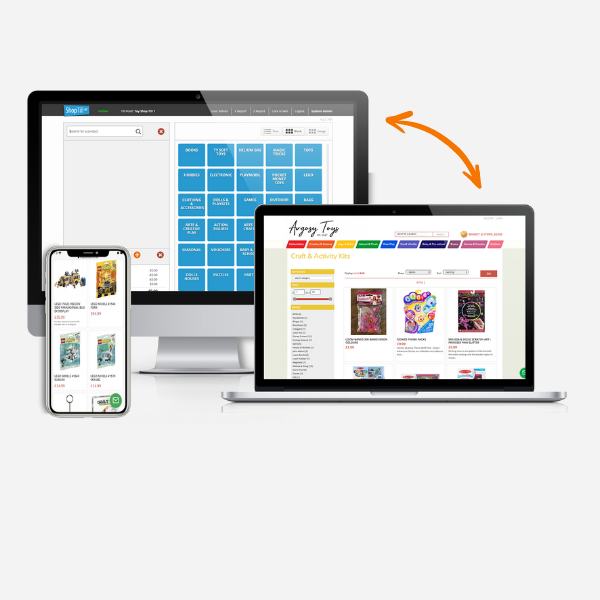
Customers can shop online or in individual and they are equally most likely to go to an online market to compare and contrast their alternatives before acquiring. Markets that have a significant market share have a really high level of trust. If you list authorized items on these markets, you automatically gain rely on the consumer's eye.
Creating Flexible Multi-Channel Retail Logistics Networks
Markets design their UI to be easy-to-use plug-in-play models. Shops utilizing a particular market need to get in details into the website to keep the same feel and look as the rest of the online marketplace. Many marketplaces run internationally, implying that you have actually quickly begun selling to multiple nations with low overhead when selling a product on a marketplace.
When you have low overhead and low entry fees, you can put products on these markets before investing in the product for your website. A great deal of these markets have billions of returning customers. Whether customers just purchase your products on a market or refer over to your online store straight, delivering a trusted product to their consumers instantly gets you, brand-new customers.
Absolutely nothing is worse than going to a marketplace that your target market is not using. You are losing time and cash all while confusing customers. Adhering to your brand name and understanding your market will help figure out where your clients are online shopping. You may think that all consumers shop on a market, but you need to weigh the cost to take advantage of running a successful business through your e-commerce site.
If you can grow on your site without splitting profits, it may be best to avoid the marketplace path completely. Every marketplace has various charges and price structures. Not every market asks for an initial payment to register as a supplier, but the majority of markets need a regular monthly cost, the expenditure to list items or a price per sale.
It is practical to do a deep dive into which markets your business selects to offer and comprehend if you can negotiate rates or fees. Bear in mind that if you are a newer business, it will take time to see a considerable investment return. With some marketplaces, such as Amazon, you can sell your items wholesale, suggesting they keep the product in their warehouse.
Essential Tips for Mastering the Retail Landscape
It is best to contact a salesperson or representative to see your alternatives. Even if one is intending on going into an online marketplace with a couple of products as a matter of experiment, it is essential to establish objectives. Lots of marketplaces are terrific e-commerce tools and work likewise to an online search engine, using keywords and descriptions to offer customers what they desire, however marketplaces can also be saturated spaces.
There can be a range of business-related goals when joining a market, such as: Grow your client base by 25%Increase general clients by 14%Re-cop general investment in 2 monthsGet 100 customer reviews in 3 monthsHave 100 items on the marketplace after a monthGoals can be different based on growth percentage, length of time, and just how much you invest in this endeavor.
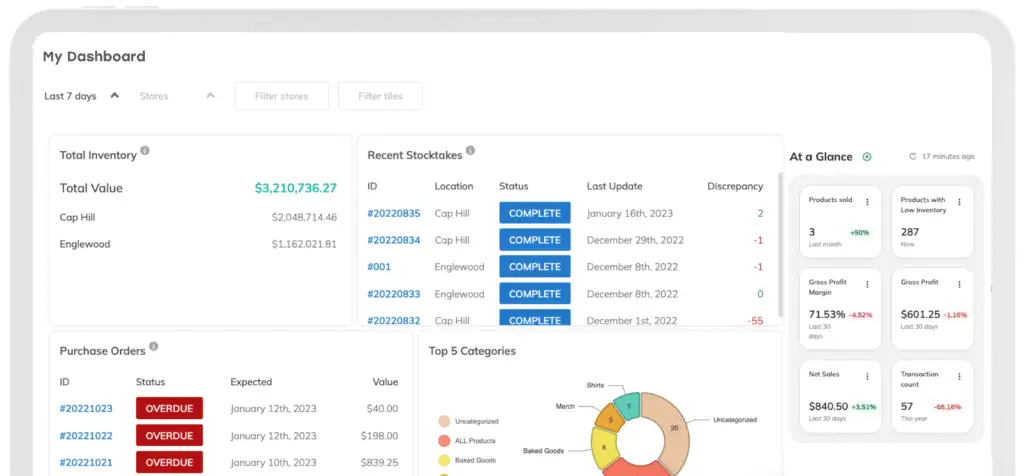
Producing an account might appear like a no-brainer step, however it can take a little bit of time to complete. Depending upon the marketplace, suppliers may need to wait to see their products or company as a whole authorized to sell. It is not unlikely that specific products may not meet the terms or conditions.

Latest Posts
Essential Tips for Selling on Multiple Platforms
Is Hyper-Local Fulfillment the Key for 2026 Growth?
Why Integrated WMS Transforms Stock Efficiency