All Categories
Featured
Table of Contents
Various ecommerce platforms utilize various codes or formats for product information, so it's crucial that the item listings are updated with the proper format in order for them to display effectively. Some business successfully extract information instantly from the source websites. They lack the bi-directional syncing needed to close the loop.
This can be difficult if the 2 sources don't share a typical language or coding format. Frequently, a native integration will send out data back to your source-of-truth for inventory management, but it won't send it back to the seller or market where you're selling. Preferably, you wish to invest in inventory management software application that synchronizes bidirectionally and links ALL of your core service systems.
5 Best Practices for Trading on Multiple MarketplacesEnhanced client experience Consumers anticipate accurate and prompt purchases, so having updated product info offered at all times will assist enhance their general experience. This will also minimize the number of returns due to inaccurate descriptions or incorrect pricing. Faster order satisfaction Automating the process of integrating information between several channels will make it much easier for you to fulfill orders quickly and efficiently.
How Modern Retailers Leverage AI-Driven WMS Solutions
Minimized expenses Automation reduces the need for manual labor, conserving both time and money over standard techniques of updating product information throughout several channels. This can considerably lower functional costs while increasing performance. There are several approaches for syncing product data throughout multiple channels. A few of the more popular choices include: This includes linking your sales channels with whichever system you utilize as source-of-truth for inventory through APIs in order to automatically sync item details.
By exporting your product information into a CSV or XML file, you can easily upload it to several channels. This is manual and time consuming, though if you do this frequently, you can synchronize precise details. There are also many third-party IMS (stock management software) services available that automate the procedure of syncing item information throughout several channels.
You can also manually enter product data into each channel, although this is usually the least effective and most lengthy alternative which is vulnerable to the most errors. Do not do this. The very best way to sync stock across numerous sales channels is committed middleware software because it combines 2 of the approaches noted above (i.e.
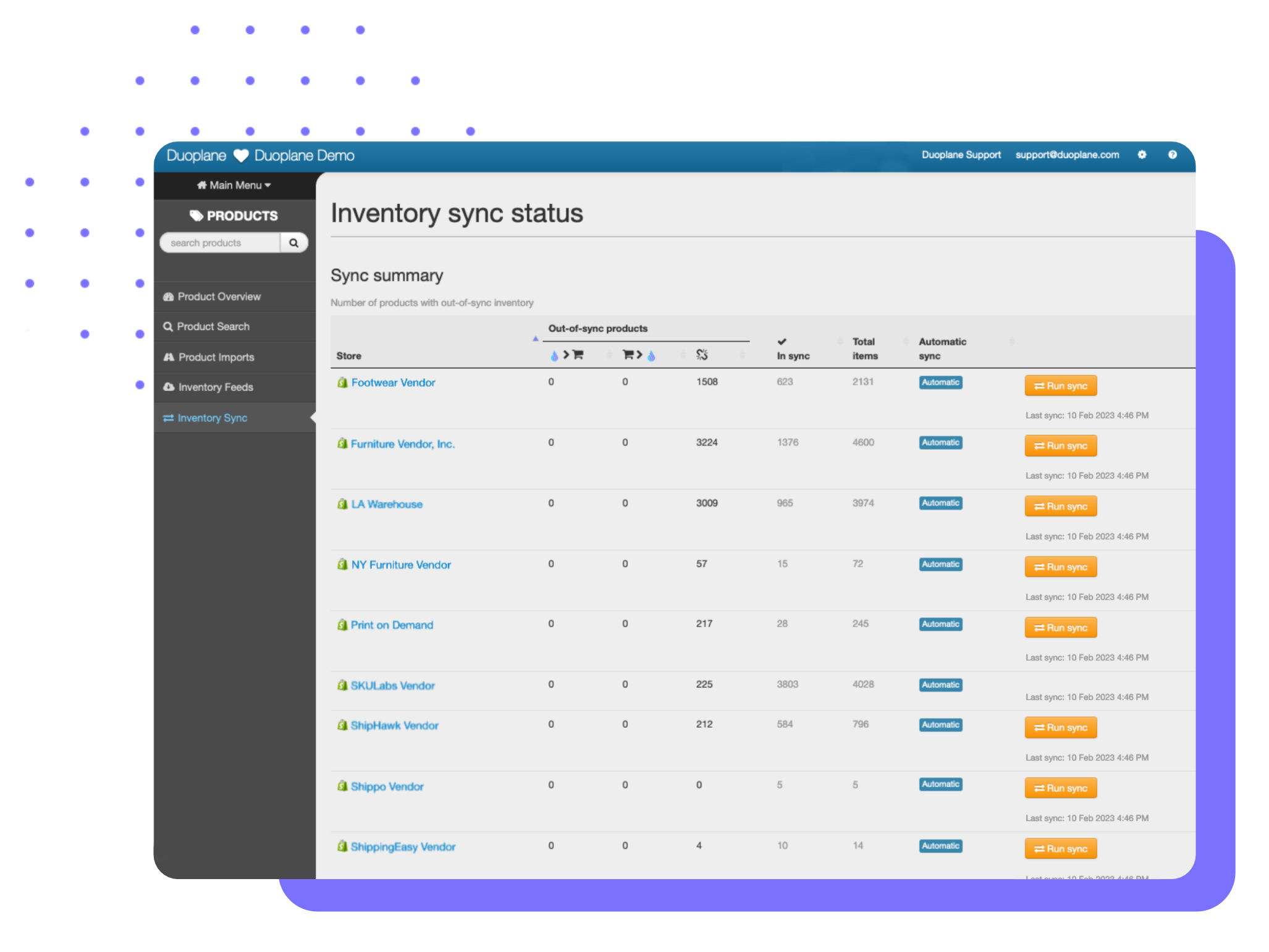
While it may cost more than manual data entry, the time and money it will save you is immense. The time consuming nature of manual information entry avoids lots of blossoming companies from expanding to new sales channels due to the sheer impossibility of handling the new information processing and entry requirements.
Advantages of Live Stock Tracking Across Retail Channels
There are so numerous benefits from using devoted software to integrate stock: Automate buying and fulfillment processes. Increase your multi-channel sales by allowing yourself to scale to new sales channels and keep inventory information precise.
For instance: When you integrate inventory, you can display your ENTIRE inventory on all sales platforms, providing you the chance to get the most conversions from whichever channel has one of the most demand. When you run out stock, you may wind up acquiring products at a higher cost, thus increasing your retail costs to preserve margins.
Increase customer complete satisfaction by delivering efficiently and without delay. People appreciate this things. This causes increased consumer retention, commitment, and referrals. Here are three options for stock syncing software: SyncwareCin7Native APIs and combination apps Syncware is how multi-channel commerce gets done. It's not simply a multichannel stock syncing software application as it also automates the process of syncing orders, shipments, items & clients, and invoices in between all your sales channels.
Increasing Picking Efficiency in Complex EnvironmentsAdvantages of Real-Time Stock Syncing Between Retail Channels
Thinking of including that sales channel but anxious about the extra time and intricacy? Don't be. Syncware makes it simple to link systems, whether that's Shopify, Faire, QuickBooks, WooCommerce, Netsuite, your storage facilities, or something else (there are 200+ combinations). Cin7 is an inventory management option particularly designed for ecommerce owners or item businesses.
With its inventory sync abilities, users can keep their inventory updated and accurately track stock levels in real-time. This is a terrific service, however it's more catered towards B2C ecommerce business. If you don't need the power of a full-fledged business automation software, native APIs and integration apps are an option.
The Shopify API permits you to integrate your store with other channels such as Amazon Marketplace and eBay. As an ecommerce company owner, you should be spending your time concentrated on development by adding new sales channels not upgrading stock counts in different systems. As you grow, the power of multichannel inventory sync increases exponentially helping simplify your operations and increase precision across all offering platforms.

Latest Posts
Essential Tips for Selling on Multiple Platforms
Is Hyper-Local Fulfillment the Key for 2026 Growth?
Why Integrated WMS Transforms Stock Efficiency